
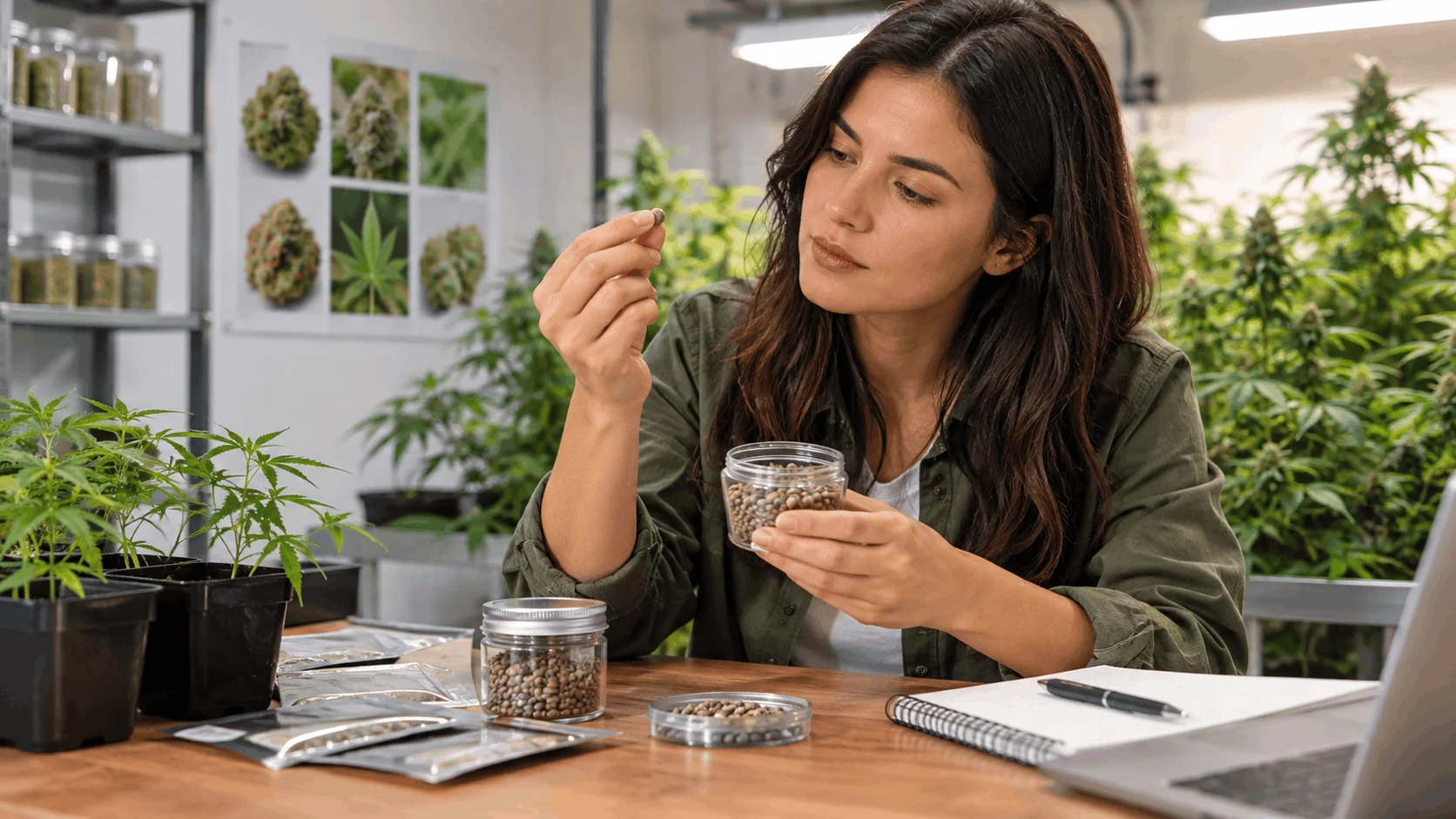
Many buyers enter the market with high expectations, believing that every seed will deliver identical results. Disappointment often begins when a cannabis strain does not express the traits promised in descriptions or images. This gap between expectation and outcome is not always caused by poor quality seeds. It is more often the result of misunderstandings about genetics, environmental influence, and how cannabis seeds are developed, stored, and cultivated.
This article explains why expectations and outcomes frequently diverge, what buyers often overlook, and how informed sourcing can significantly improve results.
Table of Contents
The Complexity Behind Seed Genetics
Cannabis genetics are far more complex than many buyers realize. Each seed carries a unique genetic combination, even when sourced from the same lineage. This natural variation means that two plants grown from the same genetic line may not express identical traits. Marketing descriptions often simplify this complexity. Buyers expect uniform outcomes, but genetics do not function like manufactured products. This misunderstanding is one of the most common reasons expectations are not met.
Why Phenotype Variation Is Common
Phenotype variation refers to how genetic potential expresses itself under specific conditions. Factors such as light intensity, humidity, soil composition, and nutrient balance all influence plant development. Even premium cannabis strains can display different growth patterns when cultivated in varying environments. When buyers are unaware of this variability, they may assume the seeds are faulty rather than recognizing the role of cultivation conditions.
The Influence of Growing Environment
Environment plays a decisive role in how seeds perform. Temperature fluctuations, inconsistent lighting cycles, and improper airflow can dramatically alter plant structure and chemical expression. Seeds that perform exceptionally well in controlled environments may behave differently elsewhere. Without understanding this interaction, buyers often blame the genetics rather than the conditions in which they are grown
Misinterpretation of CBD-Focused Genetics
Buyers seeking therapeutic or low-intoxicating options often misunderstand how CBD marijuana seeds perform. Cannabinoid expression depends on both genetics and cultivation practices. Expecting precise cannabinoid ratios without controlled conditions leads to unrealistic assumptions. Even when seeds are genetically stable, environmental stress can alter cannabinoid development.
Marketing Language vs. Biological Reality
Seed descriptions are designed to communicate potential, not guarantee outcomes. Descriptive language often highlights dominant traits but cannot account for every variable that influences growth. This disconnects causes buyers to expect certainty where none exists. Understanding that genetics offer probability rather than promise is essential for realistic expectations.
Stability and Generational Development
Not all genetics are equally stabilized. Newer genetic lines may still exhibit variation across generations. Older, well-established lines tend to show greater consistency. When buyers select newer releases without understanding this factor, results may differ from expectations. Stability develops over time through careful selection and breeding practices.
Cultivation Skill Level Matters
Seed performance is closely tied to the grower’s experience. Inconsistent watering schedules, improper pruning, and nutrient imbalances can all affect outcomes. Even well-developed cannabis strain genetics cannot compensate for poor cultivation practices. This reality often goes unrecognized by first-time or casual growers.
Understanding CBD Expression and Buyer Expectations
The appeal of CBD marijuana seeds lies in their perceived predictability. However, cannabinoid expression is influenced by harvest timing, light exposure, and stress levels. Buyers expecting uniform therapeutic outcomes may be surprised when results vary. Education is critical in aligning expectations with biological reality.
Why Visual Comparisons Are Misleading
Images often show ideal examples grown under optimized conditions. Comparing personal results to these visuals can create unrealistic benchmarks. Different environments, techniques, and phenotypes naturally lead to variation. Visual references should be viewed as potential outcomes, not guaranteed results.
The Role of Genetic Integrity and Storage
Seed viability and performance depend heavily on storage conditions. Exposure to heat, humidity, or light before cultivation can reduce genetic potential. Reputable providers prioritize proper handling and preservation to protect genetic integrity. This practice directly influences consistency and buyer satisfaction.
Selecting Genetics With Informed Expectations
Choosing established cannabis strains with documented performance increases the likelihood of satisfaction. Understanding genetic background, environmental needs, and realistic outcomes is essential. Education empowers buyers to make informed decisions rather than relying solely on marketing narratives.
Conclusion
Most unmet expectations stem from misunderstanding rather than poor genetics. Cannabis seeds express potential, not certainty. Genetics, environment, and cultivation skill work together to shape outcomes.
At Hawaii Premium Seed, genetic integrity, education, and transparency guide every offering. Explore premium genetics developed with consistency and care at Hawaii Premium Seed.
Frequently Asked Questions
1. Why do seeds from the same genetics produce different results?
Natural genetic variation and environmental influence affect how traits are expressed.
2. Are all seed descriptions guaranteed outcomes?
No. Descriptions reflect potential traits, not fixed results.
3. Does growing experience impact seed performance?
Yes. Cultivation practices significantly influence plant development.
4. Why does cannabinoid content vary?
Cannabinoid development is determined by genetic structure, environmental factors, and precise harvest timing.
5. Can storage affect seed quality?
Improper storage can reduce viability and genetic expression.
6. How can buyers improve satisfaction with seed selection?
By understanding genetics, environment requirements, and realistic outcomes.


